
We talk a lot about the importance of finding community but how often do we talk about what it actually means to be in community? Sometimes, we approach community as something that exists to serve us. We want people to show up, celebrate us, support our endeavors, and make us feel like we belong. And while those things matter, there’s another side to community that deserves just as much attention, if not more.
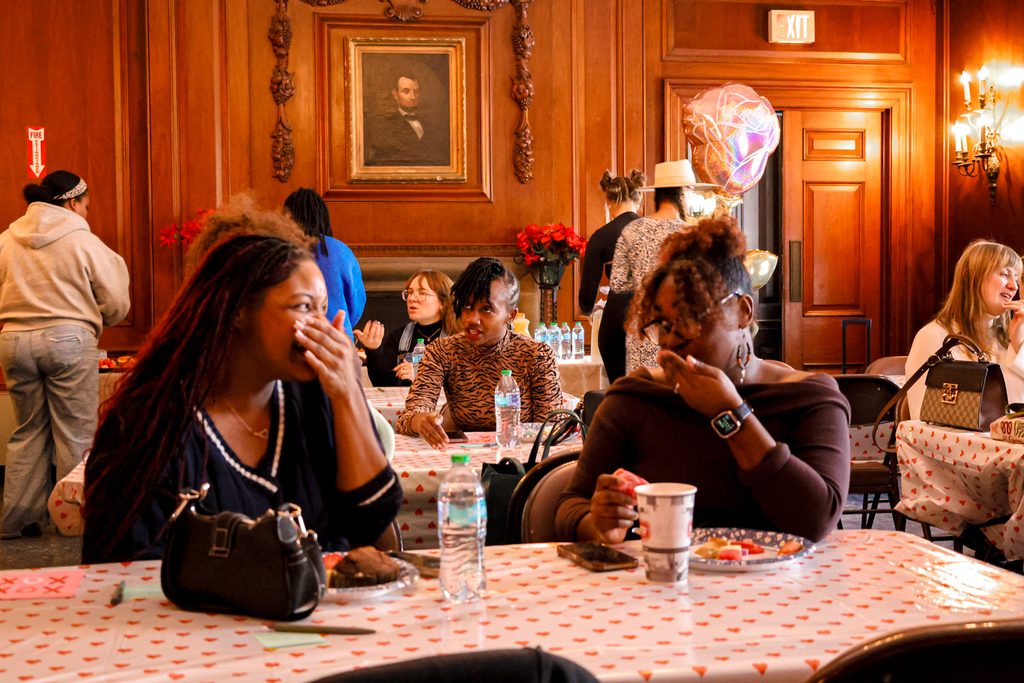
Being in community requires effort. A lot of it! And it requires genuinely caring about other people.
After more than a decade of bringing women together through Flower Girls Meet, I’ve learned that gathering people is only the beginning. The real work of community building happens in how we show up for one another, both inside and outside those gatherings. Community isn’t something one person creates and everyone else simply consumes, it’s something we all have a responsibility to nurture.
So, what does being in community actually look like?
- Show up
It sounds simple, but showing up matters. Show up for the gathering, celebration, and when someone is going through a difficult season. And showing up doesn’t always mean being physically present. Sometimes it’s a phone call, a thoughtful message, or checking in when you know someone has a lot on their plate. We all have responsibilities, and no one can be everywhere all the time. But being in community means making an effort to be present in the ways you can.
- Reach out
Don’t always wait for someone else to initiate the conversation, organize the gathering, or check in. Send the text, make the call, and extend the invitation. If someone crosses your mind, let them know. Relationships need attention. And when one person is always responsible for maintaining the connection, it can become exhausting so reciprocity is key. Being in community means taking initiative too.
- Remember the little things
One of the most meaningful ways we can show people we care is by paying attention. Remember their birthdays, milestones, and the things they’re working toward. Ask about the job interview they mentioned, the health concern they’ve been navigating, or the project they’ve been pouring their energy into. Follow up on the difficult things too and you don’t need to remember every detail of someone’s life but making an effort to remember what matters to them communicates something powerful: I see you, I hear you. And what matters to you matters to me.
- Celebrate people
At Flower Girls Meet, we talk a lot about giving yourself flowers and giving other people their flowers is just as important. Celebrate their accomplishments, growth, and the milestones that matter to them. Don’t wait for something extraordinary to happen, notice the small things too. Maybe someone finally set a boundary they’ve been struggling with or they made it through a difficult season. These moments deserve acknowledgment too. Celebrating someone isn’t always about throwing a party or buying a gift, sometimes it’s simply saying, I’m proud of you and I see how hard you’ve been working.
- Make room for vulnerability
Community isn’t just about sharing the good stuff. it’s also about creating space for people to talk about what they’re struggling with, what they’re afraid of, and what they haven’t quite figured out. And when someone trusts you enough to be vulnerable, how you respond matters. Listen without immediately trying to fix things. Resist the urge to compare their experience to yours and make room for honesty without judgment.
- Ask for help
This is a big one, especially for those of us who are used to doing everything ourselves. Being in community means allowing other people to show up for you too. That requires vulnerability. It means admitting when you don’t have all the answers, you’re overwhelmed, or you simply need another set of hands. And here’s something worth remembering: people can’t always know what you need unless you tell them. Asking for help isn’t a failure of independence, it’s another opportunity to practice connection.
- Offer help
Just as important as asking for help is being willing to offer it. Pay attention to what’s happening in the lives of the people around you. Is someone going through a difficult transition? Working toward something important? Feeling overwhelmed? Ask yourself how you might support them. That can mean bringing someone a meal, sharing a helpful resource, making an introduction, or volunteering your time. Ask this simple question: What would be helpful to you right now?
- Reciprocate
Let’s talk about reciprocity. Community isn’t about keeping score, but it also shouldn’t be a one-way street. If someone is consistently reaching out, organizing gatherings, checking in, remembering your milestones, and celebrating your accomplishments, how are you returning that care? Not necessarily in the exact same way but in a way that shows you’re invested in the relationship too. Of course, there will be seasons when someone needs more support than they can give. That’s part of being human. Reciprocity isn’t about making every interaction equal, it’s about mutual consideration and a shared willingness to show up over time. And this applies to the communities we join too. When someone creates a space for people to connect, the responsibility for making that space meaningful doesn’t belong to the organizer alone. We all have a part to play.
- Care
Everything comes back to this! Care is what makes community more than a gathering, a group chat, or a shared interest. It’s remembering that the people around us have lives beyond the moments we spend together. It’s paying attention to what they’re experiencing, being considerate of their circumstances, respecting their boundaries, and recognizing when they might need support. It’s caring about people even when there’s nothing they can do for you. And it’s understanding that community is something we practice through our actions, not just something we say we value.
One of the things I’ve learned through building Flower Girls Meet is that bringing people together is only part of the work. What happens afterward matters just as much. Do we stay connected? Do we remember what people share with us? Do we celebrate one another? Do we show up when things get difficult? Do we make an effort to care? Community doesn’t happen simply because we occupy the same space. It is built through participation, reciprocity, and care. And while none of us will get it right all the time, we can all be more intentional about how we contribute to the communities we’re part of.
So here’s something to reflect on:
Am I simply looking for community, or am I actively helping to create it?
The truth is we take better care of ourselves when we don’t have to figure everything out alone.
Written by Vanessa Flowers