
When we think about taking care of our mental health, we often turn to therapy, meditation, movement, and rest. But there’s another important piece of the wellness puzzle we don’t always consider: nutrition.
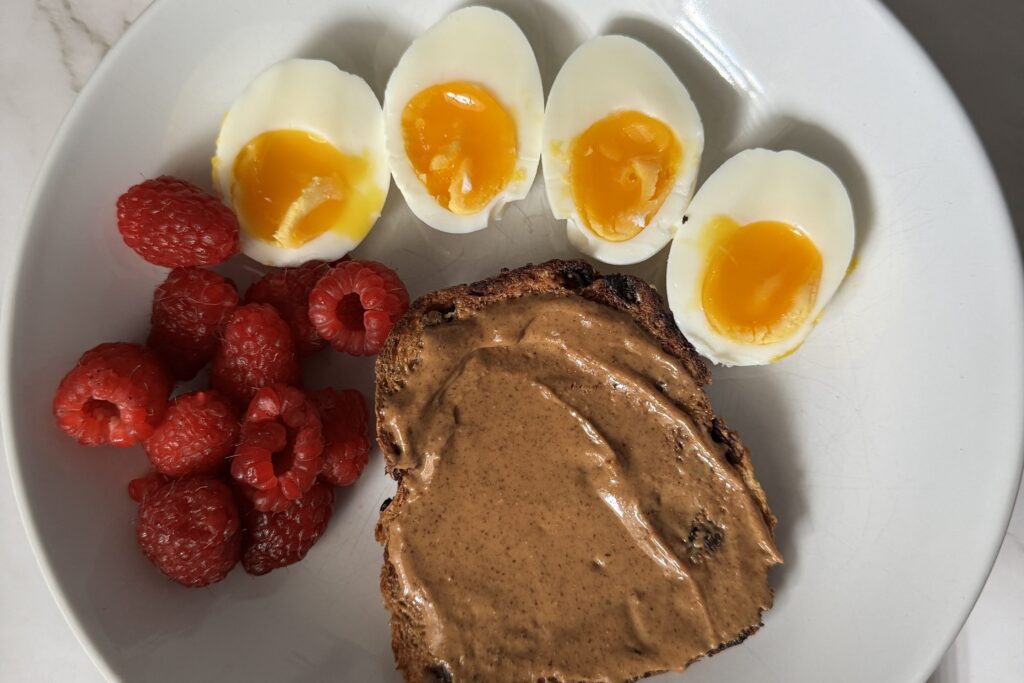
When I first began navigating my PCOS, one of the biggest lessons I learned was how much food could influence my overall well-being. Paying closer attention to what I ate helped me better understand my body’s response to blood sugar fluctuations, hormonal changes, and inflammation. I also became more aware of the connection between nutrition and mental health, particularly when it came to anxiety. Food isn’t a cure-all but nourishing our bodies with nutrient-rich foods can support brain health, energy, and overall wellness. Here are ten foods and food groups worth incorporating into your diet.
- Avocados
Rich in heart-healthy unsaturated fats, fiber, and folate which support cardiovascular health, digestion, and normal brain function.
Try this: Add avocado to whole-grain toast, salads, or top of any meal for added fats. It helps you stay full longer.
- Berries
Blueberries, strawberries, and raspberries provide antioxidants and fiber. Their plant compounds are being studied for their potential role in brain health.
Try this: Add berries to oatmeal, smoothies, or yogurt. I love eating blueberries with coconut yogurt as a snack!
- Leafy Greens
Spinach, kale, and collard greens provide folate and other essential nutrients that support overall health and normal nervous system function.
Try this: Add greens to scrambled eggs, soups, or smoothies.
- Fatty Fish (omega 3s)
Salmon, sardines, and mackerel contain omega-3 fatty acids that support brain and heart health.
Try this: Enjoy baked salmon with roasted vegetables or sardines on whole-grain toast.
- Gut-Friendly Fermented Foods
Plain yogurt and kefir can provide beneficial live cultures. The gut-brain connection is an emerging area of research into mental well-being.
Try this: Make a yogurt bowl with berries, walnuts, and pumpkin seeds.
- Nuts and Seeds
Walnuts, almonds, chia seeds, and pumpkin seeds provide healthy fats, fiber, and minerals that support overall nutrition.
Try this: Sprinkle nuts and seeds over oatmeal, salads, or yogurt.
- Beans and Lentils
Rich in plant-based protein, fiber, iron, and folate, beans and lentils support digestive health and provide nutrients involved in energy production.
Try this: Prepare lentil soup or add black beans to a grain bowl.
- Whole Grains
Quinoa, oats, and brown rice provide fiber and important nutrients that support digestion and sustained energy.
Try this: Make a quinoa bowl with roasted vegetables, chickpeas and add a meat of your choice.
- Apples
A convenient source of fiber that supports digestive health and makes a satisfying everyday snack.
Try this: Pair apple slices with peanut or almond butter for protein and healthy fats.
- Eggs
A source of protein, choline, and vitamin B12 which support normal brain and nervous system function.
Try this: Whip up a breakfast burrito with eggs, sausage, spinach, black beans, and avocado.
A Bonus Tip: Eat Seasonally
One of the simplest ways to add variety to your diet is to eat with the seasons. For fall, think acorn squash, butternut squash, turnips, sweet potatoes, Brussels sprouts, and apples.
Try this: Roast seasonal vegetables with olive oil, garlic, and your favorite herbs for an easy, nourishing side dish.
Nutrition isn’t about perfection, it’s about nourishment. You don’t have to overhaul your diet overnight. It’s the small, consistent choices that make the biggest difference! For me, learning more about nutrition became another way of understanding my body, advocating for my health, and practicing self-care.